How to Plan a Computer Science or Coding Event for Kids
Tips for Organizing Family Code Night, Hour of Code, Hackathons & Coding Clubs
Last Updated September 8, 2026
Technology is everywhere — and helping kids build **computer science and coding skills** can prepare them to learn, create, problem-solve, and thrive in an increasingly digital world. 💻🚀 SignUp is a proud member of the Computer Science for All (CSforAll) consortium, joining organizations working to make computer science education more accessible, engaging, and fun for students and families.
Planning a Family Code Night, Hour of Code, school hackathon, STEM event, or after-school coding club? We’ve got you covered! These computer science event planning tips, ideas, and tools will help you organize activities, recruit volunteers, boost family participation, and keep all the moving pieces on track — for maximum learning and fun with minimum organizing stress.
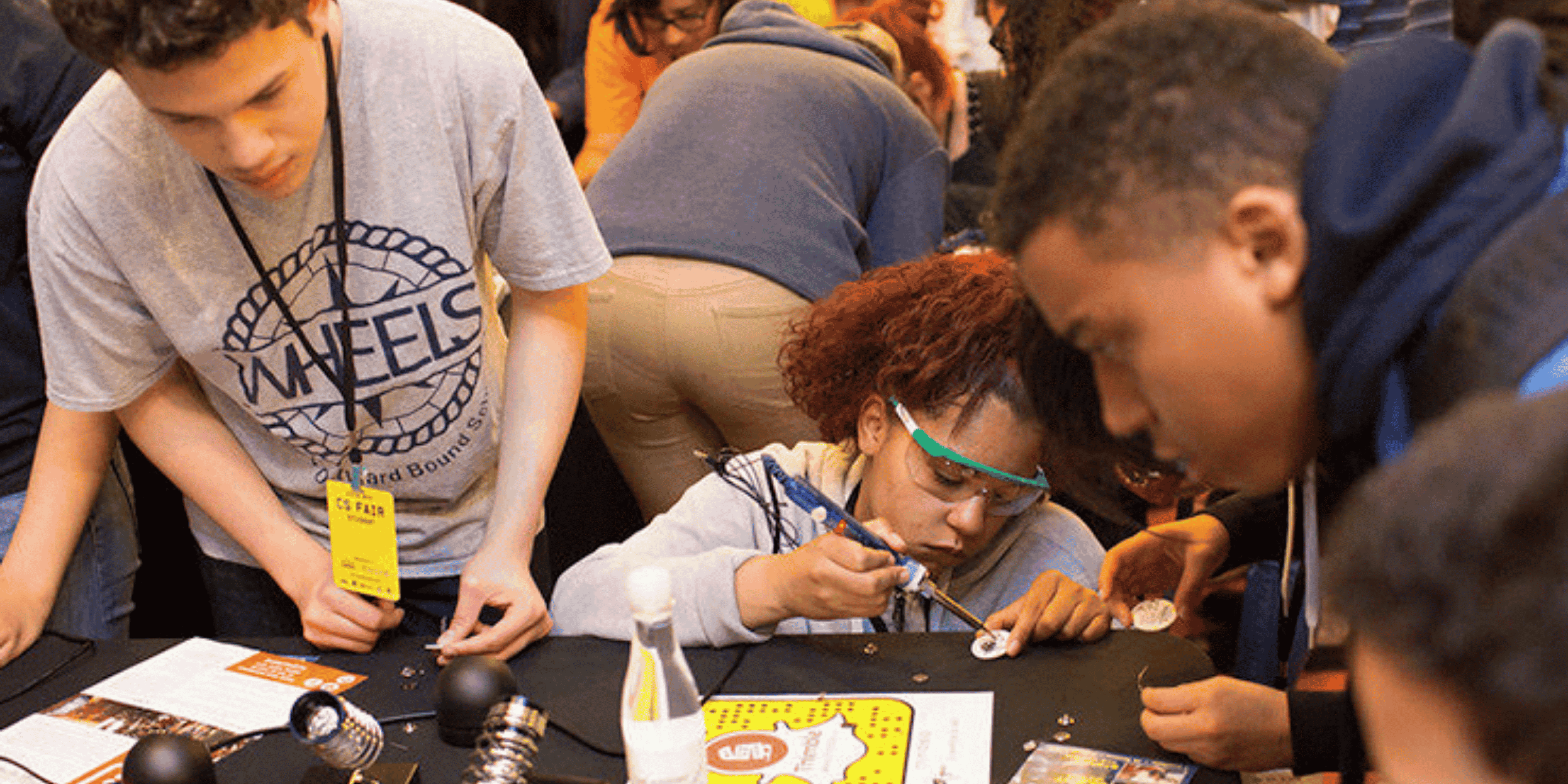
Tips for Planning a Successful Computer Science Event
Plan early. Give participants plenty of time to save the date, then re-invite them three weeks and one week out. Families are busy — the more reminders, the better the turnout.
Schedule the volunteers you actually need. People dislike showing up when there's nothing for them to do. Be deliberate about how many mentors, helpers, and presenters you need for each station or time slot.
Get specific with prerequisites and requirements. Spell out clearly what participants and volunteers should know or bring ahead of time. Ambiguity leads to confusion on the day of the event.
Focus on the small stuff. Walk through the event in your mind before it happens. Where will people park? What should they bring? Where do they check in? Where are the restrooms? These details matter more than you'd expect.
Schedule refreshments. Keeping participants fed and hydrated makes for a better coding experience and keeps energy levels up throughout the event.
Start and end on time. Respecting people's schedules keeps them coming back to future events.
Set schedules in advance for ongoing programs. If you're running a recurring club, class, or mentorship program, publish the schedule at least a month ahead so volunteers and mentors can plan their commitments accordingly.
Engage Parents and Community Partners
CS events are more impactful when families and community members feel included, not just informed. Consider a few ways to bring people in:
- Host a short parent orientation before a new coding program begins so families understand what their student will learn
- Invite local tech companies and professionals to volunteer as mentors — many have corporate community engagement goals that CS for All events satisfy perfectly
- Create a "showcase" segment at the end of a longer event where students can present what they built or coded to parents and peers
- Share event photos and highlights in your school newsletter or social media to build buzz for future events
How SignUp Makes CS Event Coordination Easy

Free online SignUps from SignUp are used by computer science groups across the country to handle participant and volunteer coordination. Here are some of the most common use cases:
- Family Code Night events: Sign up parents and volunteers with real-time calendar syncing and automated reminders to make sure busy families actually show up
- Hour of Code events: Organize presenters, participants, and refreshments in one place with no login required for participants
- Robotics and LEGO League: Register teams, coordinate volunteers and mentors, and schedule lab time across multiple sessions
- Hackathons: Streamline volunteer and participant registration so coordinators can focus on the event itself
- Teacher support programs: Coordinate mentors and volunteers who help teachers integrate coding into their classrooms
- After-school coding clubs and classes: Register students and manage recurring session schedules with ease
Building an Ongoing CS Program
A single event plants a seed — an ongoing program grows the forest. If you're looking to build sustainable CS education at your school or in your community, here are a few strategies that work:
- Start small and document what works. Run a pilot event, take notes on logistics, and build a repeatable playbook for future organizers.
- Recruit a dedicated volunteer team. Identify two or three people who are passionate about the mission and will help carry it forward beyond one event.
- Build relationships with CS curriculum providers. Organizations like Code.org, FIRST Robotics, and others offer free resources, curriculum, and event support for schools and community groups.
- Use consistent tools. Keeping your registration, communication, and scheduling in one platform (like SignUp) saves time and makes it easier to hand off coordination to new volunteers each year.
Frequently Asked Questions
Q: How do I organize a computer science event at my school?
A: Start with a clear goal (Hour of Code, Family Code Night, robotics tournament, etc.), then plan early and work backwards from your event date. Secure volunteers and mentors first, then open registration for participants. Use a free SignUp to manage RSVPs, volunteer slots, and schedules — automated reminders and calendar syncing do much of the follow-up work for you.
Q: What is CS for All?
A: CS for All (CSforAll) is a national consortium working to make high-quality computer science education available to all students, regardless of background or location. SignUp is a member of the CSforAll consortium and supports coding events, Family Code Nights, and other educational programs across the country.
Q: How many volunteers do I need for a coding event?
A: It depends on your format and number of participants, but as a general rule, aim for one volunteer or mentor for every 5 to 10 students at hands-on coding events. For lecture-style presentations, fewer helpers are needed, but you'll still want a few people circulating to assist students who get stuck. Using SignUp makes it easy to define exactly how many slots you need and prevent over-scheduling.
You May Also Like
Why All Kids Should Learn to Code
Computer Science Education Ideas for Kids
About the Author

Tara McAdams
Digital Marketing Manager, Content Strategist & Creator
Tara leads content strategy at SignUp and creates a variety of resources on a wide range of topics – including lifestyle trends, prep for holidays, volunteer management, and event planning. More about Tara →


