
Mission Trip for the Soul: 10 Tips for an Unforgettable Youth Experience
How to Make Your Youth Mission Trip Meaningful, Memorable, and Fun
Last Updated March 27, 2026
Youth mission trips don't just build homes or stock food pantries — they build people. The conversations that happen at the end of a long service day, the friendships forged while scrubbing floors in a community kitchen, the moment a teenager realizes the world is bigger than their hometown — that's the stuff that sticks for life.
If you're organizing a youth mission trip for your nonprofit, church, or faith community, you want it to be more than a few days of good deeds. You want it to matter. These 10 tips (plus two fresh ideas you might not have tried before) will help you pull off a mission trip that's organized, meaningful, and yes — a whole lot of fun.
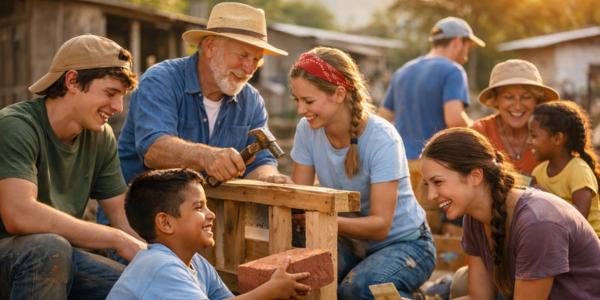
1. Start With a Planning Meeting — and Get Everyone on the Same Page
Before anyone packs a bag, gather your group and talk through the why behind the trip.
• What does your group hope to accomplish?
• What will you bring (an open mind, a servant's heart, a willingness to try new things)?
• What will you leave behind (drama, judgment, phones glued to hands)?
• Set clear expectations around conduct, conflict resolution, and what each person hopes to gain personally and spiritually.
When everyone understands the mission of the mission, the whole experience gets better.
2. Encourage Youth to Step Outside Their Comfort Zone
Growth rarely happens in comfortable places. Encourage your participants to fully lean into whatever service they're doing — building homes, working in soup kitchens, staffing community clinics, supporting homeless shelters.
More importantly, encourage them to connect with the people they're serving. Ask questions. Listen. Treat every person they meet with the same dignity they'd want for themselves.
That's where the real transformation happens.
3. Pair Youth With Older Mentors (Multi-Generational Magic)
One of the most underrated moves in mission trip planning: pair younger participants with adult mentors or chaperones and give those pairs time to actually work — and talk — together.
The intergenerational exchange that happens naturally is priceless. Teens hear stories they'd never expect, and older members are reminded just how much young people are capable of. It goes both ways, every time.
4. End Each Day With a Group Debrief
Don't let the day's experiences just dissolve into exhausted sleep. Set aside time each evening for the group to reflect together — what went well, what was hard, what surprised them. Preview the next day's schedule so everyone feels grounded.
This daily ritual turns individual moments into shared memories and keeps the group emotionally connected throughout the trip.
5. Plan After-Hours Fun (Because Burnout Is Real)
Service is meaningful work, and meaningful work is tiring. Balance the hard days with after-hours activities that are silly, creative, and bonding.
Divide into teams and have them write and perform skits around a theme. Challenge pairs to learn a TikTok-style dance and perform it for the group. Play lawn games, do a trivia night, or just sit around a fire and tell stories.
Laughter is part of the mission, too.
6. Use a Chore Chart — and Make It Fun
If your group is managing their own meals and living space (which is common on mission trips), don't leave shared responsibilities to chance.
Build a chore chart or responsibility wheel before you leave.
Assign team colors, award points, or create friendly challenges. (Who can clean the kitchen fastest? Who loaded the van most efficiently?)
Structure keeps conflict low and keeps everyone contributing.
7. Wrap Up With a Community Fun Day
When the formal service work wraps up, resist the urge to just drive home. Cap the trip with a day of local exploration:
• Visit a swimming hole the locals love.
• Eat at a legendary neighborhood restaurant.
• Go disc golfing, bowling, or mini golfing.
Ask the organization you partnered with for their favorite local spots, and don't be shy about asking for group discounts.
This wind-down day gives the group a chance to process the trip while still being together.
8. Make Reflection Official — After You're Home
Send participants home with a short list of reflection questions and schedule a group reunion one to two weeks after the trip to:
• Celebrate what you accomplished together.
• Document it — hours served, people fed, homes built, lives touched.
• Share photos and videos.
• Gather honest feedback on planning, logistics, and leadership.
That data makes the next trip even better.
9. Create a "Skill Share" Board Before You Leave
Here's an idea that pays off all week long: before the trip, ask each participant to write down one skill or talent they're bringing — cooking, carpentry, music, storytelling, first aid, photography. Post it somewhere visible at your home base.
Throughout the trip, you'll find unexpected moments where those skills come into play, and participants will feel seen and valued for what they uniquely contribute. It also sparks great conversations between people who might not have connected otherwise.
10. Partner With a Local Youth Group at Your Destination
Reach out ahead of time to a local youth group, school club, or faith community near your service site. Arrange at least one structured hang — a shared meal, a co-led service project, or even just a casual afternoon together.
This takes the mission trip from "outsiders doing good" to genuine community connection. Youth participants walk away with a far deeper understanding of the place and people they served — and sometimes, friendships that last well beyond the trip.
Closing Thoughts
Youth mission trips are some of the most formative experiences a young person can have — and that potential is entirely in the hands of the people who plan and lead them. With the right structure, space for genuine reflection, and a healthy dose of laughter and fun, you're not just organizing a trip. You're shaping the kind of humans these young people are becoming. Make it organized. Make it meaningful. Make it count.
FAQs: SignUp Rebrand & Platform Overview
Q: When did VolunteerSpot become SignUp?
A: The rebrand from VolunteerSpot to SignUp happened 10 years ago, in 2016.
Q: Why did VolunteerSpot change its name to SignUp?
A: The new name reflects how people actually use the platform — to sign up for all kinds of events, not just volunteer roles.
Q: What is SignUp used for today?
A: SignUp is used to organize volunteers, events, potlucks, school activities, fundraisers, and more — all in one simple online tool.
Q: Do participants need an account to sign up?
A: No. Participants can sign up quickly without creating an account, which increases participation and reduces friction.
Q: How does SignUp help organizers save time?
A: SignUp automates scheduling, sends reminders, and centralizes communication — eliminating manual follow-ups and confusion.
Q: Is SignUp still focused on volunteers?
A: Yes — but it now supports a much wider range of planning needs, from volunteering to everyday event coordination.
You May Also Like:
Vacation Bible School Planning Tips & Online VBS SignUps
Get Inspired: Ideas & Planning Tips for Upcoming Seasonal Events
SignUp Spotlight: United Way Whiteside County
About the Author

Tara McAdams
Digital Marketing Manager, Content Strategist & Creator
Tara leads content strategy at SignUp and creates a variety of resources on a wide range of topics – including lifestyle trends, parent tips, prep for holidays, volunteer management, and event planning. More about Tara →


